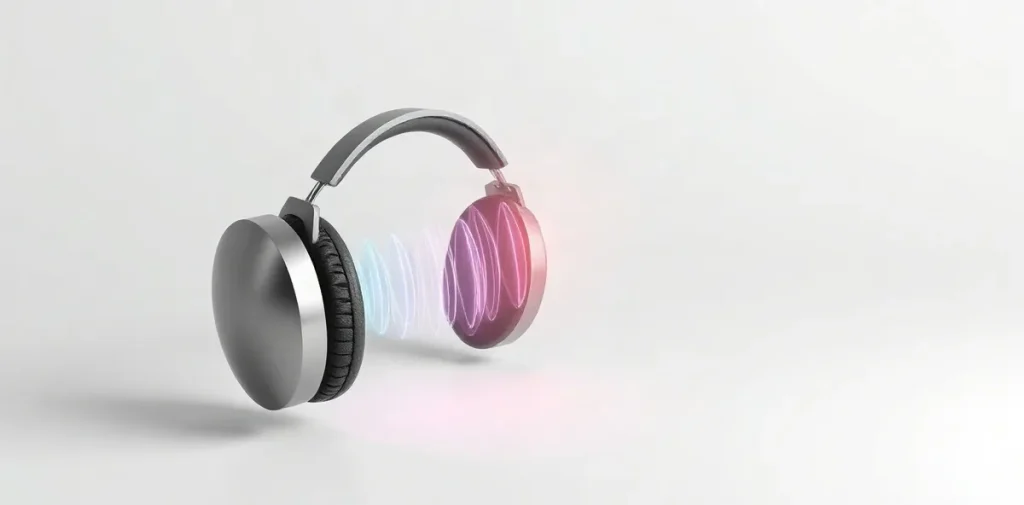
ANC in headphones means active noise cancellation: microphones pick up outside sounds, and electronics create an opposing signal that reduces some of the noise. The technology works best on steady hum, such as noise in transit or near ventilation, but it doesn’t turn headphones into a zone of absolute silence.
How does ANC work, how is it different from passive sound isolation, and where does it really help? Let’s look at the technology and the situations in which it makes listening more comfortable, as well as its limitations.
| Situation | ANC | Passive isolation |
|---|---|---|
| Steady engine hum | Uses microphones to analyze and attempt to cancel it | Limits noise penetration through the design |
| Ventilation noise | Can reduce constant background noise | Depends on how the earcups or tips fit |
| Conversations | Doesn’t guarantee complete cancellation | Partially blocks sound when the fit is snug |
| A click or bang | Harder to cancel because of the sudden change | The physical barrier remains, but doesn’t promise silence |
- 2 types of microphones Hybrid ANC uses external and internal microphones.
- 1 DSP processor Microphone signals are sent to a digital processor to analyze noise.
- 1 anti-phase signal The cancellation principle: the system generates a signal designed to reduce external sound.
How does ANC turn external noise into an anti-phase signal?
External microphone
ANC turns external noise into an anti-phase signal like this: a microphone picks up the sound, the DSP processor analyzes it, and a wave with the opposite phase is sent to the headphone driver. When this wave meets the noise at the ear, some of the sound vibrations are reduced.
External microphones are located on the outside of the headphones and send the surrounding sound to the processor. The system doesn’t make the entire space quieter: it acts on the sound inside the earcup or housing that reaches the ear. This differs from passive isolation, where a physical barrier—such as the earcup shell or an in-ear headphone’s seal—reduces sound.
Processing in the DSP
The DSP processor generates a signal with the opposite phase to the noise, and the driver plays it near the ear. When the two waves overlap, their vibrations can partially cancel each other out; the result depends on how accurately the system assesses the sound and generates a response.
Hybrid ANC may use microphones both outside and inside the headphones: the external one picks up ambient noise, while the internal one analyzes the sound at the ear. These two types of microphones serve different purposes, but both work to reduce noise in the area the user hears.
How is active noise cancellation different from passive isolation?
Passive isolation physically blocks external sound from entering the headphones, while active noise cancellation (ANC) processes noise electronically and adds to the effect of that barrier. So ANC doesn’t replace ear cushions or tips: it works alongside them.
What affects isolation
- Over-ear headphones: The ear cushions and housing form a physical barrier. Passive isolation doesn’t require microphones or a DSP processor.
- In-ear headphones: Passive isolation depends on how snugly the silicone or foam tip fits in the ear. If there’s a gap, external sound can get in more easily.
- ANC models: External microphones pick up noise, and a DSP processor processes the signal; in some systems, microphones inside the earcup also analyze sound. Electronic processing supplements physical isolation rather than compensating for a poor fit.
It makes sense to compare ANC modes only after checking the fit. If an ear cushion doesn’t sit snugly or an in-ear tip doesn’t seal the ear canal, passive isolation is reduced regardless of how the algorithm works. First close the gap—for example, try a different tip—and then assess how much ANC changes the audibility of external noise.
Why does ANC handle hum better than sudden sounds?
ANC is better at reducing constant hum because microphones can pick up its gradual changes in time for the DSP processor to process them and turn them into an opposite-phase response. This lets the system reduce, for example, steady engine or ventilation noise. Modern headphones may use both external microphones and microphones inside the earcup for analysis.
A short click, a door slam, or a sudden remark changes abruptly, making it harder for the system to generate a suitable anti-phase wave in time. These sounds may remain audible even with ANC on: active noise cancellation doesn’t promise complete silence, and its effectiveness depends on the type of noise and how quickly it changes.
Why headphone fit matters
How snugly the headphones fit affects how much external sound reaches the ear: if there’s a gap between the ear cushion and the skin, electronics alone have a harder time cancelling the noise. Passive isolation, created by the headphone design and physically blocking the path of sound waves, works alongside ANC. The overall result therefore depends on two factors: how the microphones and DSP work, and the fit and design of the specific model.
When should you turn on ANC on public transport, at the office, and at home?
Turn on ANC where constant background noise is distracting: on public transport to reduce steady hum, in the office to reduce ventilation noise, and at home to reduce continuous noise from household appliances. Announcements, conversations, and sudden sounds may still be audible.
- Public transport. ANC can reduce steady hum, such as the noise of a moving train or bus. The system may not completely block passengers’ voices or announcements, so if you need to hear your stop, choose transparency mode if your headphones have one.
- Office. Noise cancellation can make constant ventilation noise less noticeable. But it’s no substitute for paying attention: ANC may not cancel a sudden sound or a colleague addressing you, so don’t rely on headphones as dependable protection from them.
- Home. ANC can reduce steady noise from household appliances if the headphone microphones pick it up and the headphones fit well. If you need to talk to someone or hear what’s going on around you, turn on transparency mode if your model has it.
The right mode depends on what you need: ANC is suitable for steady hum, while transparency is better for conversations and announcements. Neither mode guarantees complete silence or that you’ll hear every important sound, so stay aware of your surroundings on public transport and in the office.
When might ANC not work as expected, and what should you check?
ANC in headphones is better at reducing sustained low-frequency hum than voices, clicks, and other short sounds: the system needs time to pick up noise with external microphones, process it on the DSP processor, and create an anti-phase signal. That’s why a sudden sound may still be audible even when noise cancellation is on—it’s a limitation of the technology, not necessarily a fault.
Fit affects how much noise reaches the ear: a loose tip or poorly fitting ear cushions reduce passive isolation, which ANC also relies on. First check the tip size and headphone position; then make sure the ear cushions fit against your ears without gaps. Residual noise by itself doesn’t mean the headphones are broken: ANC reduces external sounds but doesn’t guarantee absolute silence.
How to check ANC performance
Compare noise cancellation under the same conditions so you don’t mistake a change in fit for a difference in how the system works. Put on the headphones, keep them in the same position, and test the same ambient noise first with ANC on and then with it off.
- Fit: Check the tip size and how the ear cushions fit before comparing.
- Modes: Change only ANC, keeping the same headphones, position, and conditions.
How can you assess ANC when choosing specific headphones?
You can assess ANC in specific headphones by checking the microphone placement, fit, and how the model handles different sounds. The label “hybrid noise cancellation” alone isn’t enough: performance depends on the microphones, DSP processor, headphone design, and how snugly they fit.
- Microphones: An external microphone picks up ambient noise, while an internal one analyzes the sound inside the earcup or housing. Look over the headphones: the placement of these components can help you understand how the system gathers information about noise.
- Fit: Put on the headphones and check how snugly they fit. On an in-ear model, the tip should seal the ear canal without a noticeable gap; otherwise, some sound will get in, and ANC will have to work alongside less effective isolation.
- Sound test: Assess constant hum and conversation separately. ANC may noticeably reduce steady noise but handle changing speech less effectively, so testing in just one scenario won’t give you the full picture.
When comparing two models, check all three criteria for each rather than relying on the feature name or list of capabilities. For example, having several microphones doesn’t guarantee the same results: DSP signal processing, design, and how the ear cushions or tips fit all matter too.
Frequently asked questions
Does ANC completely block external noise?
Why do headphones need internal microphones?
Why can I still hear a conversation after turning on ANC?
Which matters more for noise cancellation: ANC or fit?
Sources
- techinsider.ru — “Active noise cancellation in headphones: benefits and drawbacks”
- samsung.com — “Noise cancellation in headphones: 🎧 how it works and its types”
- netbox.by — “Why you (DON’T) need noise cancellation — Netbox”
- deep-review.com — “How noise cancellation (ANC) really works in”
- mirex.ru — “The history of ANC technology in headphones: from the first patents”
