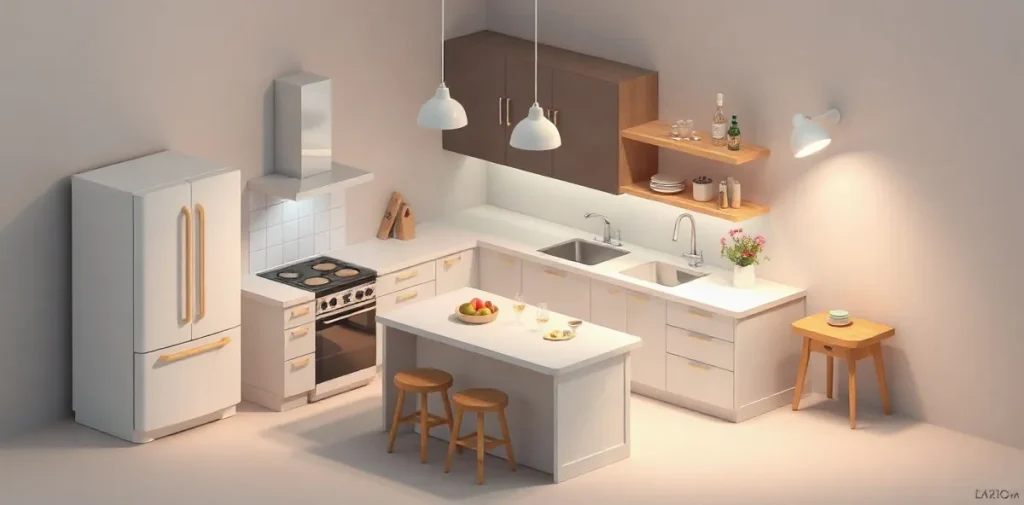
The right choice and purchase of home appliances are based on analyzing needs, technical specifications, price-to-quality ratio, as well as considering brand reliability and warranty conditions. This approach helps avoid unnecessary expenses and ensures comfortable use of devices in daily life.
Home appliances are an essential part of the modern household, helping save time and effort while improving quality of life. However, the wide range of models and features often makes it difficult to find the optimal option. In this article, we’ll explore key criteria that will help you pick appliances so that your purchase is as advantageous as possible and meets your requirements.
When choosing home appliances, it’s important to consider not only technical parameters but also operational features, energy consumption, and integration possibilities with smart home systems. For those interested in comprehensive security solutions, we recommend our detailed guide “Home Video Surveillance: A Complete Guide to Choosing and Buying,” which also covers important aspects of modern home technologies.
| Model | Price (₽) | Energy Efficiency Class | Features |
|---|---|---|---|
| Bosch KGN39VL35R | 45 000 | A+ | 280 L capacity, No Frost, LED display |
| Samsung WW70T4543OE | 30 000 | A+ | 7 kg load, leak protection, 14 wash programs |
| Indesit MTWE 71252 W RU | 27 000 | A | Leak protection, 16 programs, washing class B |
| LG InstaView ThinQ | 65 000 | A++ | Wi-Fi, smart control, screen with InstaView feature |
- 20% energy savings when using appliances with class A+
- 7 kg recommended washing machine load for a family of 4
- 60 dB maximum allowable noise level for washing machines
- 35,000–50,000 ₽ price range for modern A+ class refrigerators
How to Determine Which Home Appliances Your Household Needs?
Living Area and Number of Residents
Determining the necessary home appliances starts with analyzing the living space and the number of occupants. For example, for a kitchen area of 10–15 m², a refrigerator with a capacity of 200–300 liters is optimal, such as the Bosch KGN39VL35R, which costs about 35,000 ₽ on the 2026 market. A family of four would benefit from a washing machine with a load capacity of at least 7 kg, like the Samsung WW70T4543OE, with prices starting from 28,000 ₽.
Depending on the number of residents and room size, the appliances must ensure sufficient performance and capacity to avoid frequent overloads and wear. Smaller households and spaces can manage with models featuring basic specs, while larger families and spacious homes require more powerful and functional solutions.
Usage Patterns and Intensity
- Cooking frequency: if the family cooks at home daily, choose a stove with at least 3 kW power and quick heating functions.
- Washing intensity: for washing more than four times a week, machines with fast wash programs and energy consumption no higher than class A are recommended.
- Additional features: sensor modes, leak protection, and noise reduction enhance comfort and extend appliance lifespan.
Considering these factors helps select appliances that not only fit volume needs but also withstand daily use without performance degradation.
How to Balance Budget with Quality and Features of Home Appliances?
Price Ranges
The average price for a modern refrigerator with energy efficiency class A+ in 2026 ranges from 35,000 to 50,000 ₽, making it accessible for most household budgets. In the washing machine segment, models with basic leak protection and delicate fabric programs, such as the Indesit MTWE 71252 W RU, are available between 25,000 and 40,000 ₽. More expensive devices—starting at 60,000 ₽—feature intelligent control systems and remote management via mobile apps.
Price vs. Functionality
- Budget refrigerators (from 35,000 ₽) offer standard functions focusing on A+ energy efficiency and basic cooling modes;
- Mid-range washing machines (25,000–40,000 ₽) include leak protection and programs for delicate fabrics, ensuring gentler garment care;
- Models over 60,000 ₽ provide smart controls, including touch panels and remote monitoring through apps, enhancing convenience and control;
Thus, when choosing home appliances, it is important to evaluate which functions are truly necessary and align them with your real budget to avoid overpaying for unnecessary features.
Which Technical Specifications of Home Appliances Are Most Important?
Energy Consumption
A key parameter for home appliances is energy consumption, expressed in energy-saving classes. For refrigerators, class A+ or higher is optimal, allowing up to 20% energy savings compared to class A models. For example, the Bosch KGN39VL35 with A++ class saves up to 25% electricity compared to standard models.
Noise level is also important: kitchen appliances should operate below 42 dB, and washing machines should not exceed 60 dB during operation. This affects user comfort, especially in open-plan apartments.
Dimensions and Capacity
The second most important factor is appliance volume and load capacity. For a family of 3–4, a washing machine with at least 7 kg load is optimal—it saves time and energy. For instance, the Samsung WW70T4540EE has a 7 kg load and suits an average family.
For refrigerators, a minimum volume of 250 liters provides enough storage space without frequent trips to the store. Modern models from LG and Samsung offer refrigerators ranging from 260 to 350 liters, combining capacity with energy efficiency.
When and Why Should You Avoid Buying Cheap Home Appliances?
Avoid purchasing cheap home appliances due to short warranty periods and higher risk of breakdowns, which lead to extra costs and inconvenience. Economy-class models often have warranties of less than 1 year, while more reliable mid-range and premium devices offer warranties of 2 years or more.
Warranty Periods and Reliability
Cheap home appliances typically use lower-quality components, shortening lifespan and increasing failure risk. For example, magnetrons in inexpensive microwaves often fail within 6–12 months. Manufacturers like Samsung and Bosch provide at least 24 months warranty on their mid and high-end devices, indicating higher reliability.
Operating Costs
- Cheap models usually consume more energy than pricier ones, increasing monthly electricity bills.
- Savings of 2,000–5,000 ₽ at purchase may result in additional repair costs and higher energy expenses.
- Energy efficiency standards of class A and above in mid and premium segments help reduce energy consumption and save on utilities.
How to Consider Smart Home Features When Choosing Home Appliances?
Compatibility with Smart Systems
When selecting appliances for a smart home, prioritize models with Wi-Fi support and compatibility with popular control platforms like Google Home or Yandex.Station. For example, the LG InstaView ThinQ refrigerator features remote access and voice control, greatly enhancing convenience. Appliances integrated into smart homes allow status monitoring via mobile apps, timely notifications, and automatic adjustment of operating modes.
Cost and Benefits
The price of smart home appliances in 2026 is typically 20–30% higher than regular models, ranging from 30,000 to 70,000 ₽ for popular devices like smart refrigerators and washing machines. However, these extra costs are offset by energy optimization capabilities: smart devices reduce electricity expenses through automatic mode selection and app monitoring. This approach not only saves resources but also extends appliance lifespan, especially important for investments over 50,000 ₽.
How to Avoid Common Mistakes When Buying Home Appliances?
Size and Space
To avoid mistakes when buying appliances, it is crucial to accurately measure the installation area, considering width, height, and depth. For example, standard oven widths are 60 cm, but depths can vary from 55 to 60 cm, which is critical for built-in models.
Before purchase, measure doorways and distances to adjacent furniture to prevent installation and operational issues. This is especially important for large appliances like Samsung RB9000 series refrigerators measuring 70×180×70 cm, which may not fit in tight spaces.
Energy Efficiency
Ignoring energy efficiency leads to significant long-term electricity costs. Modern A+++ class appliances consume 30–40% less energy compared to class B, potentially saving several thousand rubles annually.
When buying, look for models labeled according to the EU 2026 standard, which classifies energy efficiency from A to G. For instance, Bosch Serie 8 washing machines have class A+++ and consume about 0.9 kWh per wash cycle, beneficial for frequent use.
Service and Warranty
- Check for the presence of an official manufacturer service center in your area to reduce repair wait times and service costs.
- Pay attention to warranty length: standard terms are 12–24 months, but some brands like Miele offer extensions up to 5 years.
Also clarify conditions for free service and availability of spare parts to avoid delays and extra expenses after purchase.
Frequently Asked Questions
What energy efficiency class is best to choose for home appliances?
How much does a quality washing machine with leak protection cost?
Is it worth buying smart home appliances if the budget is limited?
What are the most common mistakes when choosing home appliances?
Key Takeaways
- Choose appliances based on living area and number of residents for optimal capacity
- A budget of 25,000 ₽ allows purchasing a quality washing machine with basic features
- Energy efficiency class A+ reduces electricity costs by up to 20%
- Smart appliances cost more but offer control and resource savings
- Check dimensions and service availability before buying