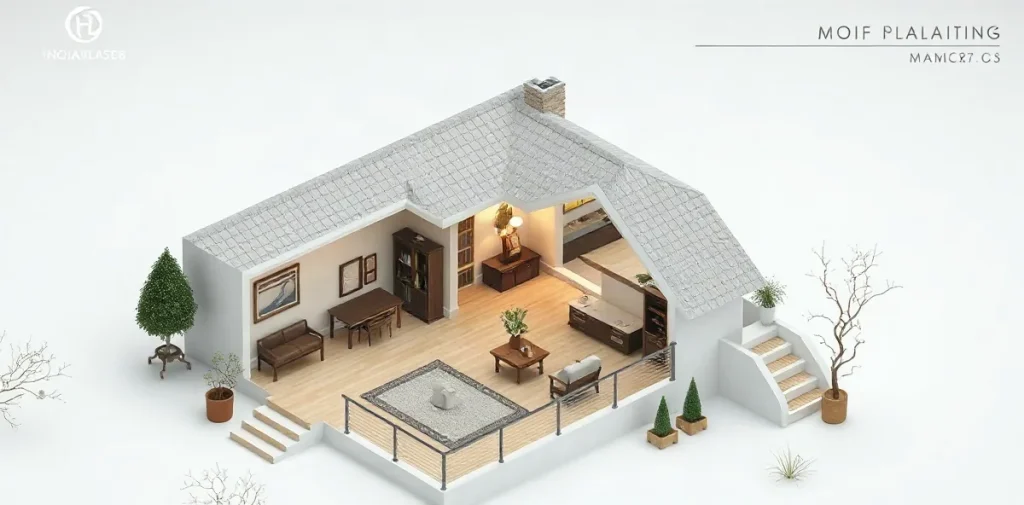
Key smart home technologies for security and comfort include intelligent video surveillance systems, motion and leak sensors, automated locks, voice assistants, and centralized management platforms that provide reliable protection and convenience in everyday life. These technologies allow remote home monitoring and creating a comfortable environment.
In today’s world, a smart home is no longer a luxury but a necessity for many. Modern solutions not only ensure protection against intrusions and accidents but also improve quality of life by minimizing routine tasks and saving energy. This article covers the main technologies that currently shape smart homes, combining security and comfort.
Understanding these technologies is important for those who want to make their home not only safe but also as convenient as possible. Smart devices integrate into a unified system, allowing control via smartphone or voice, opening new opportunities for managing household chores and maintaining peace of mind about the home.
| Device | Functions | Price (RUB) | Features |
|---|---|---|---|
| Hikvision DS-2CD3145F-I | AI video, facial recognition | from 15,000 | 4 MP, night vision |
| Nuki Smart Lock 3.0 | Remote control, AES-256 encryption | around 20,000 | Compatible with HomeKit, Google Home |
| Nest Thermostat 4th generation | Climate control, energy saving | 12,000 | Automatic scheduling |
| Philips Hue | Smart lighting, color control | from 6,000 per bulb | Compatible with voice assistants |
| Aqara sensors | Motion, door opening | from 2,000 | Fast response, Zigbee |
- 4 MP resolution of Hikvision DS-2CD3145F-I surveillance cameras
- 15% energy savings using Nest Thermostat 4th generation
- 45,000 ₽ average cost of a basic smart home kit
- 5 Mbps minimum internet speed for stable smart home system operation
Which smart home technologies truly improve security?
Security is genuinely enhanced by AI-powered video cameras, smart locks with remote control, and highly sensitive motion and door-opening sensors. These technologies provide timely threat detection and access control, minimizing risks of break-ins and unauthorized entry.
AI Video Surveillance
AI video cameras like the Hikvision DS-2CD3145F-I, equipped with a 4-megapixel sensor and facial recognition, enable automatic identification of people and reduce false alarms. Intelligent video analysis supports rapid response to suspicious activity, which is critical for security. Prices for such cameras range from 15,000 to 25,000 rubles, making them an affordable solution for private homes and apartments.
Smart Locks and Sensors
Smart locks, such as the Nuki Smart Lock 3.0, support remote control using AES-256 encryption, providing a high level of protection against hacking. Combined with Aqara motion and door sensors that react in under 0.2 seconds, the system instantly notifies attempts of unauthorized access. These sensors integrate with Apple HomeKit and Google Home platforms, simplifying security management and monitoring via smartphone.
- Hikvision DS-2CD3145F-I: 4 MP, facial recognition, price from 15,000 ₽
- Nuki Smart Lock 3.0: AES-256 encryption, remote control
- Aqara sensors: response delay under 0.2 seconds
- Integration with Apple HomeKit and Google Home for centralized control
How does a smart home help improve everyday comfort?
Climate Control
Climate control systems based on the Nest Thermostat 4th generation greatly enhance comfort by automatically maintaining optimal temperature and reducing energy consumption by up to 15%. These devices allow users to set schedules and manage heating remotely via a mobile app, preventing overheating or excessive cooling of rooms. As of September 2026, the Nest Thermostat 4th generation is priced at approximately 12,000–15,000 rubles in Russia, making it an accessible solution for a wide range of users.
Intelligent Lighting and Appliances
Philips Hue smart lighting systems provide fine-tuned brightness and color adjustments controlled through a mobile app, creating a comfortable atmosphere in any room. Voice assistants Yandex.Station and Google Nest expand control options, allowing hands-free adjustment of lighting and household appliances. Integration with Samsung SmartThings enables remote management of washing machines and refrigerators, simplifying household tasks and saving time.
- Nest Thermostat 4th generation: up to 15% energy savings, price 12,000–15,000 ₽;
- Philips Hue: brightness and color adjustment via app;
- Voice assistants Yandex.Station and Google Nest: voice control of devices;
- Samsung SmartThings: remote control of washing machines and refrigerators.
How much does a basic smart home kit for security and comfort cost?
Device Costs
A basic smart home kit for security and comfort costs about 45,000 rubles. It usually includes a Hikvision video camera, a Nuki smart lock, and Aqara sensors — this set provides monitoring, access control, and event detection in the home. To manage climate and lighting, you can add a Nest Thermostat priced around 12,000 rubles and Philips Hue bulbs from 6,000 rubles each. The Yandex.Station voice assistant, available for about 8,000 rubles, offers convenient voice control of all devices in the home.
Prices for Integrated Solutions
For more comprehensive management of household appliances and smart home devices, consider ready-made systems like Samsung SmartThings. Their starting price is about 18,000 rubles. Such solutions allow unifying different devices into a single network and controlling them through one app, enhancing the convenience and functionality of a smart home.
- Security kit: Hikvision camera, Nuki smart lock, Aqara sensors — about 45,000 rubles
- Nest Thermostat — about 12,000 rubles
- Philips Hue bulbs — from 6,000 rubles each
- Yandex.Station voice assistant — about 8,000 rubles
- Samsung SmartThings integrated solution — from 18,000 rubles
What limitations and errors occur when using smart home technologies?
Technical Limitations
Main limitations of smart homes relate to the need for stable internet connectivity and device compatibility. Most systems require a constant connection with a minimum speed of at least 5 Mbps, which is critical for proper operation, especially for video surveillance and voice assistants. For example, Ring Video Doorbell 4 smart cameras cease to function fully if the speed drops below this threshold.
Additionally, not all gadgets support the same communication protocols. Zigbee and Z-Wave are commonly used in Philips Hue and Fibaro devices respectively, while Wi-Fi is prevalent in Google Nest and Xiaomi products. Protocol incompatibility complicates integration and may require purchasing additional equipment, increasing system cost by 15,000–30,000 rubles.
User Errors
User mistakes often cause false alarms and smart home malfunctions. Incorrect automation scenario settings, for example in the Aqara system, can lead to unauthorized alarm deactivation or lights turning on at inconvenient times. This reduces convenience and security.
Security risks are linked to the lack of timely device updates. Kaspersky’s 2026 report notes that 40% of smart home hacks result from vulnerabilities in outdated software. Regular updates and use of certified products help mitigate these risks.
Which standards and regulations govern smart home security in Russia?
Technical Standards
In Russia, smart home security is regulated by technical standards that ensure device reliability and compatibility. GOST R 57580-2017 sets requirements for video surveillance systems in residential buildings, including image quality and data storage parameters. For wireless communication and data protection, IEEE 802.15.4 standards and Zigbee protocols are widely used, supporting channel encryption and ensuring device interoperability across manufacturers.
The Ministry of Digital Development, Communications and Mass Media of the Russian Federation recommends mandatory data encryption and regular firmware updates for IoT devices, reducing hacking risks. For example, software updates should occur at least twice a year, and encryption levels must meet modern algorithms that provide reliable data protection.
Legislative Requirements
Federal Law No. 152-FZ «On Personal Data» with 2026 updates requires smart home manufacturers and operators to ensure user data security and confidentiality. Violations of these norms entail fines that can reach several million rubles depending on the scale of the data breach.
- GOST R 57580-2017 – requirements for video surveillance systems;
- Federal Law No. 152-FZ (2026 updates) – personal data protection;
- Recommendations of the Ministry of Digital Development of the Russian Federation – mandatory encryption and firmware updates;
- IEEE 802.15.4 and Zigbee – IoT security and compatibility standards.
Frequently Asked Questions
How to choose a smart lock for an apartment?
Is a constant internet connection necessary for smart home systems?
Can devices from different manufacturers be integrated into one smart home system?
How often should smart device firmware be updated?
Key Takeaways
- AI cameras and smart locks enhance home security.
- Climate control and smart lighting improve comfort and save energy.
- A basic smart home kit costs from 45,000 rubles.
- Stable internet and firmware updates are key to reliable operation.
- GOST standards and personal data law regulate smart home security.