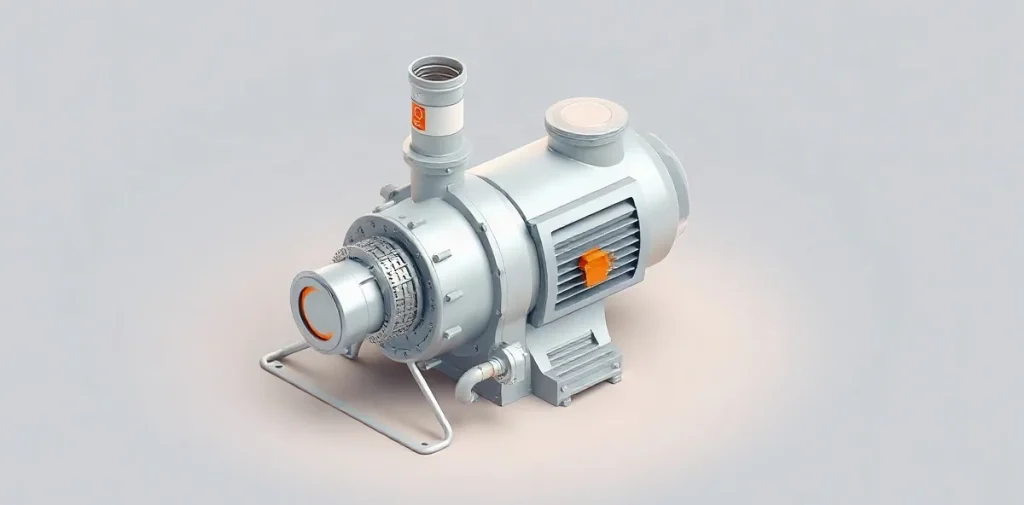
Inverter motors in home appliances have become a key component, enabling reduced energy consumption and improved device reliability. Their operating principle is based on converting fixed alternating voltage into adjustable direct current, then back into alternating current with the required frequency and amplitude.
How Inverter Motors Work
Unlike traditional electric motors, inverter motors use an electronic converter — the inverter — which regulates the frequency and voltage of the power supply. This allows smooth adjustment of the rotor speed depending on the load and required power.
Main stages of operation
- Conversion of input alternating voltage (220 V, 50 Hz) into direct current;
- Generation of alternating voltage with adjustable frequency and amplitude;
- Real-time control of motor speed and torque.
For example, in modern Samsung RB38T776FSA/WT inverter refrigerators (priced around 55,000 ₽), the compressor motor adjusts power according to temperature, reducing energy consumption by up to 30% compared to standard models.
Impact on Energy Consumption and Savings
Inverter motors significantly cut electricity usage by optimally tuning to operating modes. In 2026, the energy efficiency of these devices often meets the EU’s A+++ rating.
Benefits for consumers
- Reduction of annual electricity costs by up to 40%;
- Lower motor noise levels (down to 25 dB in quiet mode);
- Long service life — average motor lifespan exceeds 10 years with proper use.
Let’s compare the energy efficiency of inverter and conventional motors using Bosch washing machines from the Serie 6 and Serie 4 lines:
| Model | Energy consumption (kWh/cycle) | Noise level (dB) | Average motor lifespan (years) |
|---|---|---|---|
| Serie 6 WAT286H0BY | 0.65 | 48 | 12 |
| Serie 4 WAN24060BY | 0.85 | 54 | 7 |
Design Features of Inverter Motors
Inverter motors usually have a brushless (BLDC) design, which reduces wear on contact parts and lowers maintenance needs. Control is handled via microprocessor controllers with programmable algorithms.
Main components
- Stator with windings made from high-purity copper wire;
- Rotor with neodymium permanent magnets;
- Inverter control unit with power transistors;
- Rotor position and temperature sensors for protection and performance optimization.
For instance, inverter motors in LG InstaView refrigerators include self-diagnostic systems and can operate with voltage fluctuations from 170 to 270 V, enhancing reliability and lifespan.
Effect on Appliance Durability
Smooth speed regulation reduces mechanical stress on parts and vibration, significantly extending the overall lifespan of the appliance. Additionally, electronic control provides overload and overheating protection.
According to service centers in Moscow, the average trouble-free operation period for inverter washing machines is 10–12 years, compared to about 7 years for models with traditional motors.
Summary of durability advantages
- Less wear on bearings and belts;
- Lower risk of damage from voltage spikes;
- Automatic load adjustment during washing or cooling cycles.
Popular Home Appliances with Inverter Motors in 2026
Inverter technology is widely used in refrigerators, washing machines, air conditioners, and microwaves. Below are current models with approximate prices on the Russian market:
- Samsung RB38T776FSA/WT refrigerator — 55,000 ₽;
- Bosch Serie 6 WAT286H0BY washing machine — 52,000 ₽;
- Daikin FTXB20C air conditioner — 45,000 ₽;
- Panasonic NN-GD39HS microwave oven — 12,000 ₽.
Frequently Asked Questions
What is an inverter motor and how does it differ from a regular one?
How does the inverter affect the lifespan of appliances?
Can an inverter motor be replaced with a regular motor in home appliances?
How much energy does an inverter motor save?
How to care for appliances with inverter motors?
Key Takeaways
- Inverter motors provide smooth control of speed and power, enhancing appliance energy efficiency.
- Reduced mechanical stress prolongs motor and overall appliance lifespan.
- In 2026, most modern refrigerators and washing machines feature inverter motors with A+++ energy efficiency ratings.
- Inverter models usually cost 15–25% more, but energy savings and reliability justify the investment.
- Using quality parts and following operating guidelines is essential for durability.
In conclusion, inverter motors are a significant technological advancement in 2026 home appliances. They not only save energy and reduce noise but also greatly extend the service life of devices, making them a smart choice for consumers seeking efficient and comfortable home appliance use.
Sources
- Home Appliance and Electronics Repair — «Parts for Home Appliances»
- BurdaStyle.ru — «Safety Instructions and Operating Rules for Household Sewing Machines»
- Home Appliance and Electronics Repair — «Ordering Parts for Home Appliances»
- flagma.by — «Home Appliance Technician Jobs in Bobruisk, Vacancies on Flagma»
- Home Appliance and Electronics Repair — «Parts for Home Appliances in Samara»