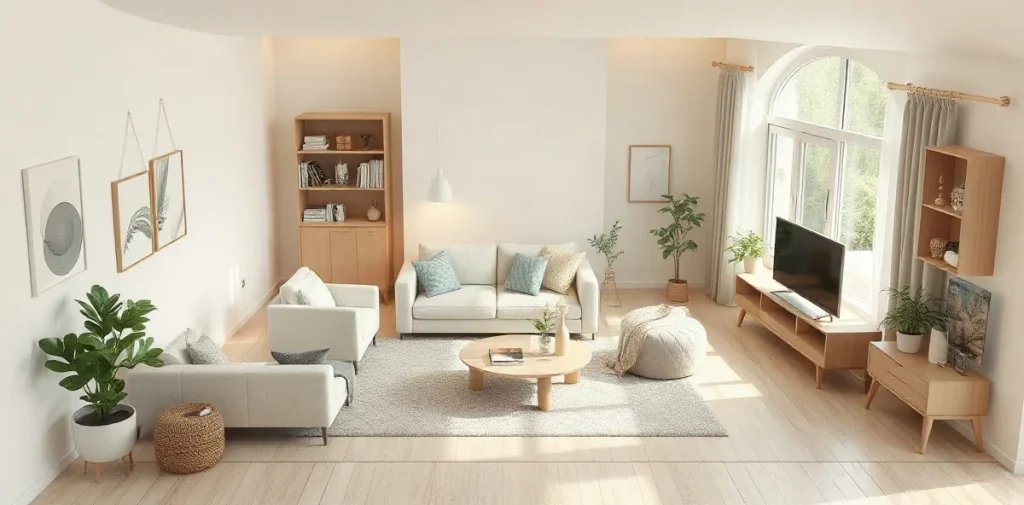
Integrating smart home systems into everyday life in 2026 is no longer seen as a luxury but rather as a necessity for improving quality of life. The question of how exactly a smart home affects the psycho-emotional state of its residents is becoming increasingly relevant. The answer is simple: modern technologies can significantly reduce stress levels, improve mood, and increase overall resilience to stress by automating routine tasks and creating a comfortable environment.
How Smart Homes Create Comfort and Control
Smart systems for managing climate, lighting, security, and household appliances give residents a sense of control over their surroundings. According to Yandex data in 2026, 68% of smart device users report reduced anxiety thanks to the ability to remotely control their home through apps.
Main Features Affecting Emotional State
- Philips Hue automatic lighting adjustment — reduces eye strain and improves circadian rhythms.
- Daikin climate control systems with adaptive functions to maintain optimal temperature and humidity.
- Smart locks and alarms from Xiaomi — enhance the feeling of security.
- Voice assistants (such as Yandex.Station) for effortless home control.
Impact on Stress Levels and Sleep Quality
Research conducted in 2026 at the Institute of Psychophysiology of the Russian Academy of Sciences showed that automating household processes lowers blood cortisol levels by 15–20% compared to traditional lifestyles. Additionally, smart lighting systems that mimic natural light improve sleep quality by an average of 12% among users.
Comparison of Lighting Systems and Their Effect on Sleep
| System | Sleep Quality Improvement, % | Average Price, ₽ |
|---|---|---|
| Philips Hue | 12 | 12 000 |
| Xiaomi Yeelight | 9 | 7 500 |
| Nanoleaf | 10 | 15 000 |
Emotional Support Through Integration with Pets
In 2026, smart homes actively integrate with pet care devices — feeders, automatic doors, and surveillance cameras help reduce owners’ anxiety. According to research from Kemerovo State Medical University, having pets lowers stress levels by 25% when proper care is provided, which is facilitated by smart gadgets.
Popular Devices for Pets
- PetSafe automatic feeders — allow control over diet and feeding schedules.
- Furbo cameras with two-way communication and bark recognition features.
- Petcube interactive toys to relieve stress for both pets and their owners.
Physical Activity and the Smart Home
Smart systems encourage increased physical activity among residents through reminders and integration with fitness trackers. In 2026, Fitbit reported that users receiving smart movement notifications boost their daily activity levels by 22%.
Tools to Support Activity
- Xiaomi Aqara smart motion sensors for monitoring activity inside the home.
- Integration with Strava and Apple Health apps for overall health tracking.
- Built-in voice assistants for motivation and reminders.
Cost and Time Savings
Purchasing and installing smart systems in 2026 costs on average from ₽50,000 to ₽250,000 depending on configuration and brand. Meanwhile, time saved on household chores reaches 30% per week, allowing residents to devote more attention to rest and personal growth.
Frequently Asked Questions
How does a smart home help reduce stress?
Which smart devices are most effective for improving sleep?
Can smart systems be integrated with pet care?
How does a smart home promote increased physical activity?
Key Takeaways
- Smart homes in 2026 reduce stress by 15–20% through climate and security control.
- Smart lighting systems improve sleep quality by an average of 12%.
- Integration with pet care devices lowers owner anxiety by 25%.
- Smart notifications increase users’ physical activity by 22%.
- Average time saved on household chores reaches 30% per week.
Thus, smart home systems in 2026 are not just a convenient addition but a real tool for enhancing residents’ psycho-emotional well-being. They create comfort, increase security, promote healthy sleep and an active lifestyle, and help care for pets. Implementing such technologies becomes a key factor in improving quality of life and reducing stress levels for modern individuals.
Sources
- scilead.ru — “THE IMPACT OF PETS ON THE PSYCHOLOGICAL AND PHYSIOLOGICAL STATE OF A PERSON”
- sowa-ru.com — “Research Project ‘The Impact of Pets on the Psycho-Emotional State of a Person’ — RA SOVA”
- begemot.ai — “The Impact of Cats on the Psycho-Emotional State of a Person | The project’s aim is to study how cats affect the emotional state of their owners”
- Obuchonok — “Project ‘The Impact of Animals on the Psycho-Emotional State of a Person (Zootherapy)’”
- apni.ru — “The Impact of Physical Activity on the Psycho-Emotional State of a Person”