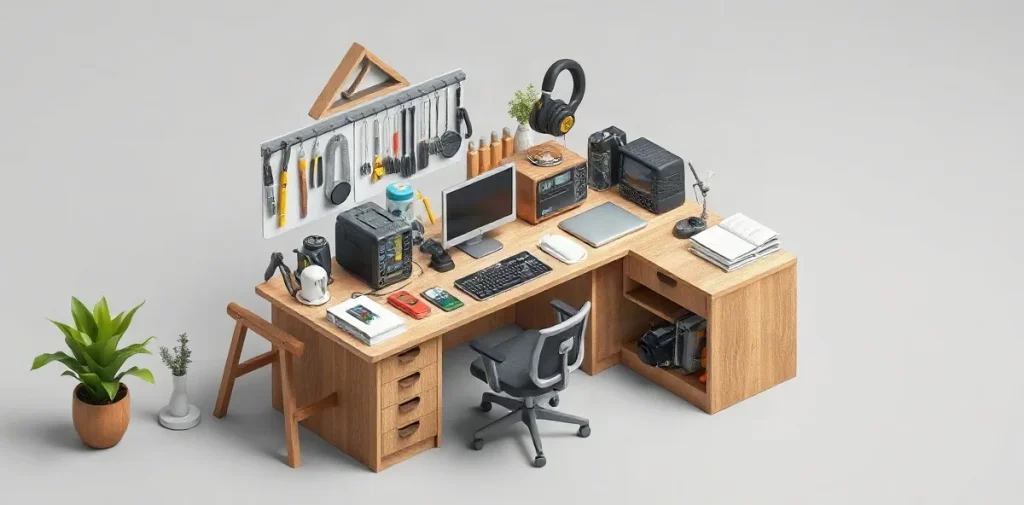
Introduction: Why You Should Repair Household Appliances Yourself
Modern household appliances make life easier, but breakdowns are inevitable. An emergency technician call typically costs between 1500 and 3500 rubles, with repair times ranging from 2 to 5 days. Knowing simple diagnostic and repair techniques can save up to 70% of the time and money spent on repairs. In 2026, over 60% of appliance malfunctions in the Russian market can be fixed independently using basic tools and manufacturer instructions from brands like Bosch, Samsung, and LG.
Typical Malfunctions and Diagnostics of Washing Machines
Washing machines are among the top five most frequently failing appliances. According to Rosstat, 42% of service requests relate to issues with water intake and drainage. The main causes are clogged filters, broken water inlet valves, and electronic faults.
Key Symptoms and Testing Methods
- The machine doesn’t fill with water: check the filter and water inlet solenoid valve (a Bosch WTW87540OE valve costs about 3200 rubles).
- Water doesn’t drain: clean the drain filter and inspect the pump condition.
- Error on the display (e.g., E21 on Samsung WW80J6410CW): reset the program and check the wiring harness contacts.
| Model | Manufacturer | Failure Rate, % | Average Repair Cost, ₽ |
|---|---|---|---|
| Bosch Serie 6 WAT286H0 | Bosch | 7.4 | 2600 |
| Samsung WW80J6410CW | Samsung | 9.1 | 3100 |
| LG F2J7WN4W | LG | 8.3 | 2800 |
Refrigerator Malfunctions and How to Fix Them
Refrigerators often suffer from improper use and wear of door seals. In 2026, Rospotrebnadzor statistics show that up to 35% of failures are due to cold air leaks and thermostat malfunctions.
Checking and Repairing Key Components
- Check the door seal: defects can be detected using a sheet of paper—if it easily slides out with the door closed, replacement is needed (seal prices range from 900 to 2500 rubles).
- Thermostat: diagnosed with a multimeter, replacement averages 2200 rubles.
- Inspect compressor and fan operation (mid-range parts from Atlant cost about 4500 rubles).
Microwave Oven Repair: What You Can Do Yourself
Microwaves often fail due to problems with the door lock or magnetron. According to 2025 Eurostat data, 18% of users experienced door mechanism issues, while 12% had magnetron breakdowns.
Diagnostics and Troubleshooting
- Door lock check: visual inspection and button testing; replacement costs start at 1500 rubles.
- Magnetron check: requires a specialized tester; replacement costs from 6000 rubles; professional service is recommended.
- Cleaning internal parts from grease and dirt—preventive maintenance costing about 500 rubles for a cleaning kit.
Tips for Repairing Electric Kettles and Coffee Machines
Electric kettles and coffee machines most often break down due to scale buildup and heating element issues. In 2026, Roskontrol experts note that about 40% of malfunctions relate to insufficient mineral deposit cleaning.
Prevention and Repair
- Descaling with citric acid or specialized products (prices range from 150 to 600 rubles per package).
- Heating element replacement in Polaris PWK 1726C models costs around 1200 rubles; DIY replacement requires care.
- Checking and cleaning filters in DeLonghi ECAM 22.110 coffee machines—regular filter replacement costs about 700 rubles.
Safety and Essential Tools for DIY Repairs
Repairing household appliances yourself requires following safety rules and having a basic toolset. In 2026, the average starter kit costs between 1500 and 3500 rubles and includes a multimeter, screwdrivers with various bits, pliers, and electrical tape.
Key Safety Recommendations
- Always disconnect the device from the power supply before disassembly.
- Use protective gloves and follow the manufacturer’s instructions.
- Do not attempt to repair complex electronic modules without specialized knowledge.
Frequently Asked Questions
How often should household appliances be cleaned preventively?
Can I replace a washing machine’s electronic module myself?
How to tell if a refrigerator seal needs replacement?
What tools are needed for basic microwave repair?
Key Takeaways
- DIY appliance repair saves up to 70% of time and costs compared to calling a technician.
- Preventive cleaning and regular diagnostics reduce breakdown risk by 35-40%.
- Washing machine and refrigerator repairs often involve checking filters and seals.
- Using quality tools and following safety protocols ensure successful repairs.
- For complex cases (electronic modules, magnetrons), it’s best to seek professional help.
Conclusion
In 2026, DIY appliance repair is becoming increasingly accessible thanks to detailed instructions, video tutorials, and the availability of spare parts. Learning typical faults and basic fixes not only saves money but also extends the lifespan of your devices. Follow our advice, and your household appliances will serve you reliably and for a long time without costly service visits.