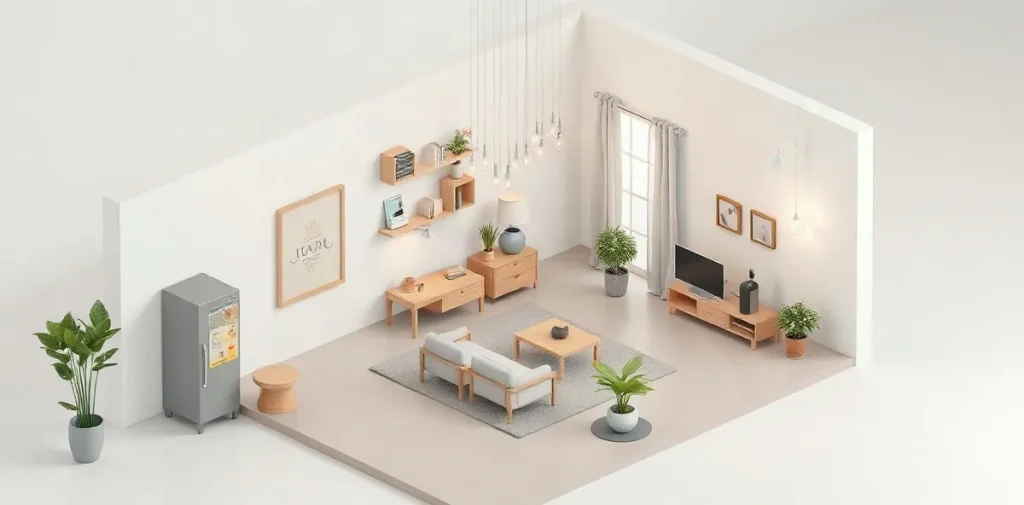
In recent years, the concept of a smart home has become increasingly popular, and the main component of this revolution is the smart home ecosystem. This is not just a set of devices, but a whole system that integrates various gadgets and technologies into a single network, providing convenience and efficiency in everyday life. But what exactly is a smart home ecosystem and how does it work?
The smart home ecosystem includes devices such as smart bulbs, thermostats, security cameras, and appliances that interact with one another over the internet. Users can manage them using smartphones, voice assistants, or specialized software. Because of this, the smart home ecosystem not only simplifies home management but also allows for optimized energy consumption, enhancing comfort and safety in your dwelling.
| Device | Price (₽) | Functions |
|---|---|---|
| Nest Learning Thermostat | 13,000 | Automatic temperature control |
| Philips Hue | 1,500 | Lighting control via app |
| Samsung SmartThings Hub | 7,000 | Central controller for the ecosystem |
- 30% reduction in electricity costs
- 70% of users noting increased security
- $174 billion market for ecosystems by 2026
Key Components of a Smart Home Ecosystem
The smart home ecosystem comprises various devices that ensure automation and control of home processes. One of the key components is smart thermostats. For example, the Nest Learning Thermostat model costs around 13,000 ₽ and automates temperature control in the house by learning user preferences. This is not only convenient but also helps reduce heating and cooling expenses.
Lighting and Lighting Control
Smart bulbs, such as Philips Hue, are another important element of the ecosystem. These bulbs can be managed through a special app, allowing users to adjust brightness and color based on mood or time of day. Their price starts at 1,500 ₽ each, making them accessible for most users.
- Smart thermostats, such as the Nest Learning Thermostat – 13,000 ₽
- Smart bulbs Philips Hue – from 1,500 ₽
- Central controller Samsung SmartThings Hub – around 7,000 ₽
Central controllers like the Samsung SmartThings Hub play a crucial role in integrating all devices. Their cost is approximately 7,000 ₽, which allows for unified management of all smart devices in one app.
How Smart Home Devices Work
Communication Protocols
Modern smart home devices connect to Wi-Fi, enabling management via smartphones. The most common communication protocols are Zigbee and Z-Wave, which provide stable connections and low energy consumption. The response time of such devices averages around 0.5 seconds, making interaction with them almost instantaneous. For example, the Philips Hue smart bulb responds to commands within this time frame, ensuring comfortable lighting.
Integration with Other Systems
Smart devices easily integrate with other systems, such as voice assistants Amazon Alexa and Google Assistant. This allows users to control the entire home with voice commands. The average power consumption of smart devices is about 10-15 W. For example, the Nest Learning Thermostat helps optimize energy use, reducing electricity bills by 10-12% annually.
- Wi-Fi: standard connection for most smart devices.
- Zigbee: protocol providing low energy consumption and fast communication.
- 0.5 seconds: average response time of smart devices.
- 10-15 W: average power consumption of smart devices.
- 10-12%: potential savings on electricity bills with a smart thermostat.
Advantages of a Smart Home Ecosystem
The smart home ecosystem offers significant advantages that can enhance quality of life and reduce costs. For instance, using smart thermostats like the Nest Learning Thermostat can lower electricity costs by up to 30%. This is achieved through automatic temperature adjustments based on user habits, preventing energy waste in unoccupied rooms.
Security is also a vital aspect. According to research, 70% of smart device users report an increase in home security. Smart cameras, such as the Ring Video Doorbell, allow for real-time monitoring and notifications to smartphones. This provides additional protection against break-ins and unauthorized access.
Convenience and Management
Managing smart home devices has become simple and intuitive thanks to voice assistants like Google Assistant and Amazon Alexa. Such technologies allow control of lighting, heating, and security just by speaking commands. This significantly simplifies interaction with the system, especially for people with disabilities.
- Reduction in electricity costs by up to 30% with smart thermostats.
- Increase in security by 70% thanks to smart cameras.
- Device management through voice commands using Google Assistant or Amazon Alexa.
Technologies Used in the Ecosystem
The Internet of Things (IoT) plays a key role in the smart home ecosystem, allowing various devices to exchange data in real time. According to analytics firm Statista, by the end of 2026, the number of connected IoT devices in homes is expected to reach 30 billion units. This will enhance the efficiency of managing appliances and security systems. Devices such as Philips Hue smart bulbs can interact with other ecosystem elements, allowing users to control lighting through a mobile app.
Wireless Communication Standards
To ensure reliable communication between devices in the ecosystem, Zigbee and Z-Wave standards are used. Zigbee, for instance, supports up to 65,000 devices in one network and operates at a frequency of 2.4 GHz, providing good signal penetration in urban settings. Devices operating on the Z-Wave protocol, such as Yale smart locks, can have a range of up to 100 meters in open spaces, making them suitable for larger homes.
- Number of connected IoT devices by 2026: 30 billion.
- Number of devices in a Zigbee network: up to 65,000.
- Z-Wave range: up to 100 meters.
- Price of Yale smart locks: from 10,000 to 25,000 rubles.
The Future of Smart Home Ecosystems
The future of smart home ecosystems looks very promising. By 2026, the smart technology market is projected to grow to $174 billion. This is driven by increased interest in automation and the improvement of quality of life. It is expected that by 2030, 75% of all homes will be equipped with smart devices, which necessitates manufacturers to develop new standards for compatibility. One such standard is Matter, which promises to enhance interaction between various devices, ensuring more seamless integration into the smart home ecosystem.
Key Factors for Development
- Market Growth: $174 billion by 2026.
- Percentage of Smart Homes: 75% by 2030.
- New Matter Standard: improving device compatibility.
- Investments in AI: 15% of the total technology budget.
These changes will contribute not only to more convenient and safer living spaces but also to the development of new business models related to smart technologies. It is important to note that the implementation of such systems requires not only financial investment but also appropriate user training, which will also become an important aspect in the future.
Frequently Asked Questions
What is a smart home?
What devices are included in a smart home ecosystem?
Can I control a smart home from my phone?
Key Takeaways
- The smart home ecosystem includes various devices.
- Smart technologies help reduce electricity costs.
- Device compatibility is improving thanks to new standards.